Influence of Māori Music in Film Soundtracks
Māori music transforms film soundtracks with a blend of traditional chants, vocal harmonies, and instruments like the pūtōrino and taonga pūoro, which deliver sounds found nowhere else. Directors often seek these elements for their deep connection to landscape, history, and emotional memory. The pūtātara, a shell trumpet, for instance, can signal a spiritual presence in under ten seconds, while the kōauau flute sets a mournful tone that lingers well beyond a single scene. Few soundscapes can match this emotional resonance, and when missing or misused, the loss is immediate: moments fall flat, and cultural depth disappears.
Why filmmakers choose Māori music

Films set in Aotearoa often use Māori music to anchor the story in place and time. International productions with New Zealand locations also favor these sounds for their immediate connection to land and tradition, even when the story is fictional.
| Usage context | Reason for choice | Emotional effect | Comparison with other traditions |
|---|---|---|---|
| Opening sequence | Signals authenticity to viewers | Establishes a sense of belonging | Western orchestral music lacks this geographic grounding |
| Key emotional scene | Amplifies grief or hope through traditional chants | Deepens emotional resonance instantly | Other Pacific music may evoke similar tones but not the same historical context |
| Action montage | Provides rhythmic drive using taonga pūoro | Creates urgency without generic suspense cues | Rock or pop tracks risk breaking the immersive setting |
| Spiritual moment | Connects characters to ancestral presence | Elicits reverence and reflection | Synthetic soundtracks miss the cultural layer |
| Transition between eras | Marks time shifts with traditional motifs | Links past and present seamlessly | Generic cinematic cues do not signal cultural continuity |
Direct collaboration with Māori composers speeds up the licensing process. Some films commission original waiata to avoid copyright complications and ensure cultural accuracy.
How Māori instruments change a film
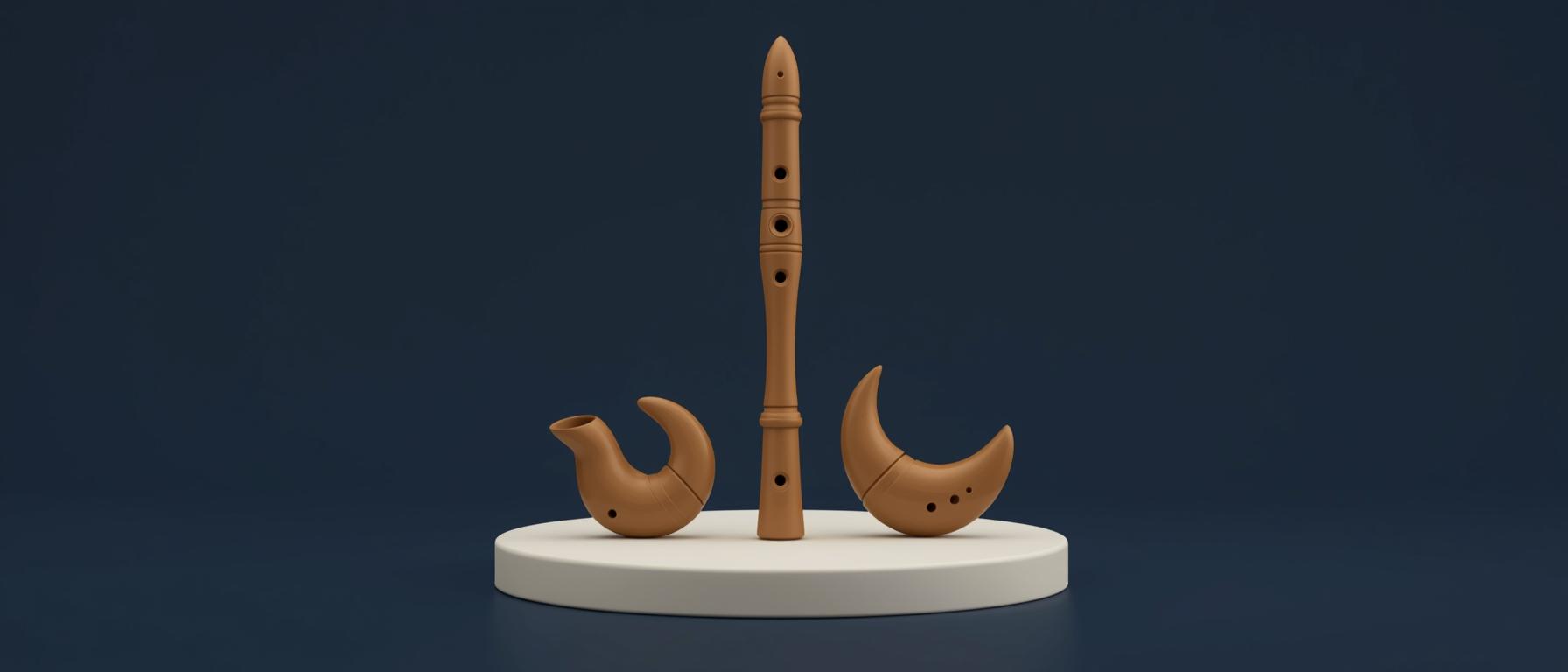
Direct use of taonga puoro in film scores creates soundscapes that Western orchestral instruments cannot match. Where a string section swells, a pūtōrino or kōauau can evoke land, ancestry, and spiritual presence. Directors who integrate these instruments shift the entire mood, grounding the story in Māori culture and offering audiences a more immersive experience.
Creating atmosphere with taonga puoro
Pūtōrino and kōauau infuse film scenes with an otherworldly tension that synthetic sounds rarely match. Directors turn to these taonga puoro for subtle emotional shifts when dialogue falls short.
The hollow, breathy note of a pūtōrino can transform a landscape shot into a space haunted by ancestral presence. In war films, taonga puoro heighten suspense with unpredictable rhythms rather than using standard orchestral cues.
A single kōauau phrase might signal grief more sharply than a string section, carrying centuries of lament in its tone. In Whale Rider, the sparse use of taonga puoro grounds modern drama in ritual and memory, amplifying the stakes without excess.
Atmosphere flattens when these instruments are replaced with generic soundtracks. Collaborating directly with skilled taonga puoro players ensures the music’s intent survives the edit.
Contrasts with Western orchestration
Distinctive textures emerge when taonga pūoro enter a film score, shifting the emotional tone more abruptly than traditional string or brass sections. The organic timbres of these instruments disrupt Western harmonic expectations, opening space for unfamiliar feelings or unresolved tension. The following steps show how this contrast shapes narrative meaning on screen:
- A composer selects taonga pūoro for a scene where Western instruments would traditionally signal triumph or resolution.
- Instead of layered harmonies, a single pūtātara call echoes, signaling ambiguity or ancestral presence rather than closure.
- Audience members, accustomed to swelling orchestras at emotional peaks, experience uncertainty or curiosity as familiar patterns break.
- The sound’s physicality–breath, wood, shell–draws attention to landscape or spiritual elements rather than individual heroics.
- Story pacing shifts: the absence of Western melodic resolution leaves moments open-ended, inviting reflection or unease.
When this interplay is ignored, films risk flattening cultural nuance and missing opportunities for narrative depth. Directors who match sound world to story world create more lasting impressions and richer experiences.
Māori instruments transform not only the emotional register but also the cultural resonance of a film. Filmmakers seeking authenticity or a unique sonic palette gain creative options that Western traditions do not offer.
What makes Māori music in film unique
Māori music in film stands out for its use of ancestral chants and traditional instruments that carry spiritual meaning. Unlike many Western scores, this music often acts as a living link to genealogy and place, transforming scenes into communal acts of remembrance.
Spiritual and cultural storytelling
Live chanting and traditional instruments often shape Māori music in film, creating a presence that goes beyond simple background sound. These musical choices imbue scenes with spiritual depth, setting Māori film apart from more conventional soundtracks.
Kapa haka performances, such as those in "Whale Rider," deliver ancestral narratives that echo through each frame. Taonga pūoro, including instruments like the pūtōrino, channel ancestral voices, suggesting a link between land, people, and story.
Unlike generic orchestral scores, Māori music frequently aligns with ceremonial rhythms. This connection can turn even a silent landscape into a sacred space, carrying layers of meaning not seen in western film scoring.
Mimicking the surface sound of Māori music without context often strips away its narrative power. Authentic storytelling demands knowledge of the traditions behind each chant or note.
Audience connection and authenticity
Direct use of Māori music in film can trigger recognition and pride among those who share this heritage. Such resonance rarely occurs when generic soundtracks are used, even with similar instruments or motifs. Several clear steps define how this bond forms and deepens on screen:
- A composer or director selects a song or chant rooted in a specific iwi or location.
- Lyrics or melodies that mirror the audience’s actual dialect or whakapapa signal genuine representation.
- Actors or musicians perform these pieces with correct pronunciation and emotional nuance, avoiding caricature.
- Viewers attuned to these details sense immediate belonging or respect for their identity.
- Repeated exposure in key scenes builds trust and long-term loyalty to the story’s vision.
Two or more moments of authentic language use per film create measurable impact. Consultation with fluent speakers from the community ensures accuracy and emotional depth.
Each element of Māori music deepens the emotional resonance of cinematic storytelling. Filmmakers who incorporate these traditions foster a more authentic and immersive screen experience.